
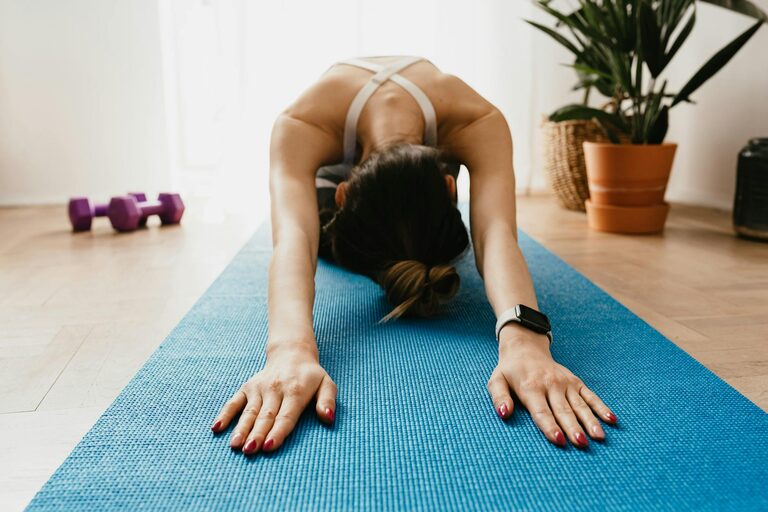
Stretching is a simple yet effective way to improve your flexibility, relieve muscle tension, and promote relaxation. Whether you want to start a new fitness routine or just add some gentle movement to your day, stretching at home can be a convenient and beneficial practice. This beginner’s guide will walk you through everything you need to know to get started safely and effectively.
Why Stretching at Home Is a Great Idea
Stretching doesn’t require special equipment or a gym membership. Doing it at home allows you to fit movement into your schedule easily. Plus, it can help:
– Increase your range of motion
– Improve posture and circulation
– Reduce muscle stiffness and soreness
– Relieve stress and enhance mental clarity
With just a few minutes, you can experience these benefits and foster a healthier relationship with your body.
When and How Often to Stretch
For beginners, aim to stretch at least 3-4 times per week. You can stretch:
– In the morning to gently wake up your muscles
– Before or after workouts to warm up or cool down
– During breaks if you’re sitting for long periods
– Before bedtime to relax and improve sleep quality
Consistency matters more than duration. Even 5-10 minutes per session can have a positive impact over time.
Preparing for Stretching
Before you begin, take a few steps to ensure a safe and comfortable experience:
– Choose a comfortable space: A calm, quiet area with enough room to move freely.
– Wear comfortable clothing: Loose or stretchy clothes that don’t restrict movement.
– Warm up: Spend 3-5 minutes doing light activity like walking or marching in place to get blood flowing to your muscles.
– Use a mat or towel: This provides cushioning and stability for floor stretches.
Basic Stretching Techniques for Beginners
There are different types of stretches, but for beginners, static and dynamic stretches are the most helpful.
Static Stretching
Static stretches involve holding a position for 15-30 seconds to lengthen a specific muscle or muscle group. Remember to breathe deeply and avoid bouncing. Some beginner-friendly static stretches include:
– Hamstring Stretch: Sit on the floor with one leg extended and the other bent. Reach towards the toes of your extended leg while keeping your back straight. Hold, then switch legs.
– Cat-Cow Stretch: On hands and knees, arch your back (cat), then dip your belly downward while lifting your head (cow). This gently stretches your spine.
– Chest Opener: Clasp your hands behind your back and gently lift your arms to open up your chest and shoulders.
– Seated Spinal Twist: Sit cross-legged, place your right hand on your left knee, and gently twist your torso to the left. Hold and switch sides.
Dynamic Stretching
Dynamic stretches involve moving parts of your body gradually and with control through a full range of motion. These warm up your muscles and prepare your body for activity. Examples include:
– Arm Circles: Extend your arms out to the sides and slowly make small to larger circles.
– Leg Swings: Hold onto a support and swing one leg forward and backward gently.
– Torso Twists: Stand with feet shoulder-width apart and rotate your torso side to side in a controlled manner.
Tips for Safe and Effective Stretching
– Don’t force it: Stretch to the point of gentle tension, not pain. Push yourself within comfort limits.
– Breathe: Deep, even breaths help relax your muscles and improve oxygen flow.
– Hold steady: For static stretches, hold positions instead of bouncing, which can cause injury.
– Be mindful: Pay attention to your body’s signals. If you feel sharp pain or discomfort, ease off or stop.
– Progress gradually: Increase stretch time or intensity slowly over days and weeks.
Sample Beginner Stretching Routine
Here’s a simple 10-minute routine to get you started:
- **Warm-up:** Light marching in place (2 minutes)
- **Arm Circles:** 10 circles forward and backward
- **Hamstring Stretch:** Hold each leg for 20 seconds
- **Cat-Cow Stretch:** 5 slow repetitions
- **Chest Opener:** Hold for 30 seconds
- **Seated Spinal Twist:** Hold each side for 20 seconds
- **Leg Swings:** 10 swings per leg
- **Torso Twists:** 10 slow rotations
Repeat this routine 3-4 times per week, and you’ll soon notice improved flexibility and reduced tension.
Additional Tools to Enhance Stretching at Home
While stretching requires little equipment, a few items can make the experience more enjoyable and effective:
– Yoga mat: Provides cushioning and traction.
– Stretching strap or towel: Helps with deepening stretches, especially for hamstrings and shoulders.
– Foam roller: For self-massage and myofascial release before or after stretching.
Staying Motivated and Making It a Habit
Starting a new routine can be challenging. Here are some ways to stay motivated:
– Set a regular schedule or pair stretching with daily activities like watching TV or after brushing your teeth.
– Track your progress and celebrate improvements.
– Invite family or friends to join you.
– Explore guided stretching videos or apps designed for beginners.
Remember, consistency over perfection is key. Small, regular efforts lead to lasting benefits.
—
Stretching at home is an accessible and rewarding practice that can improve flexibility, reduce stress, and enhance your overall health. With these simple steps and beginner-friendly stretches, you’re ready to add gentle, effective movement into your daily life. So roll out your mat, take a deep breath, and enjoy the many benefits of stretching!