
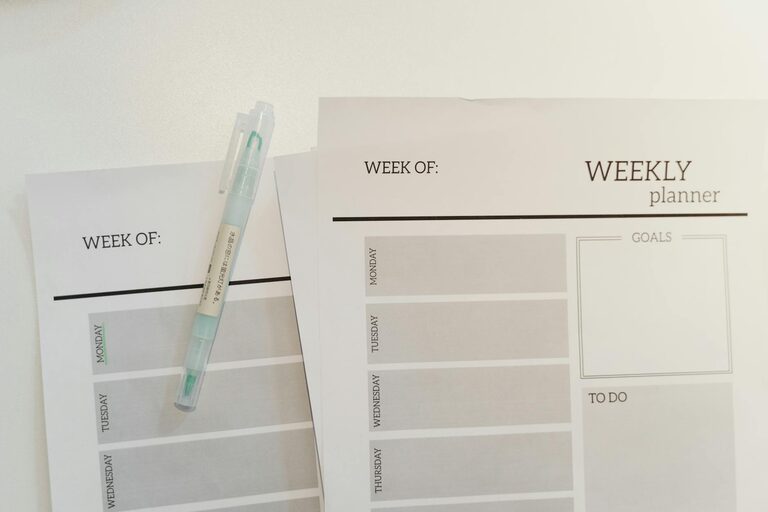
A weekly reset routine is a powerful way to clear mental clutter, organize your life, and recharge your energy for the upcoming week. When you take time each week to pause and reset, you give yourself the opportunity to reflect on the past days, set new intentions, and start fresh with focus and calm. Whether you’re juggling work, family, or personal projects, a well-designed weekly reset can make your life feel more balanced and manageable.
In this post, we’ll walk through why a weekly reset routine matters, and provide practical steps to create one that fits your lifestyle.
Why You Need a Weekly Reset Routine
Life can get hectic, and it’s easy to feel overwhelmed after a busy week. Small tasks pile up, your space gets disorganized, and mental stress builds. A weekly reset routine helps you:
– Reflect and review: Understand what went well and what could improve.
– Organize your space: Clear physical clutter to boost productivity and calm.
– Plan ahead: Set priorities and goals for the coming week.
– Recharge mentally and physically: Practice self-care to restore your energy.
– Create consistency: Build habits that promote balance and reduce stress.
Step 1: Choose a Consistent Day and Time
Pick one day and time each week dedicated solely to your reset routine. Sundays or Fridays often work well because they mark the transition to a new week. Consistency helps make this practice a habit, so you look forward to it rather than see it as another chore.
Step 2: Reflect on the Past Week
Spend 10-15 minutes reviewing how your week went. Consider:
– What accomplishments are you proud of?
– What challenges did you face?
– Did you meet your goals or intentions?
– Were there moments of joy or relaxation?
Writing these reflections in a journal or a notes app can be helpful. This step builds awareness and helps you celebrate progress while learning from setbacks.
Step 3: Declutter and Organize Your Space
A tidy physical environment promotes mental clarity. Take 20-30 minutes to:
– Clear your desk or workspace
– Organize your to-do lists and calendars
– Sort through mail, papers, or digital files
– Prepare your clothes for the upcoming days
You don’t need a deep clean every week, but a quick tidy-up resets your environment and makes starting Monday easier.
Step 4: Plan Your Week Ahead
Use a planner, calendar app, or notebook to outline your priorities and schedule. Include:
– Important appointments and deadlines
– Work tasks and personal projects
– Self-care activities like exercise or hobbies
– Social events or family time
Breaking big goals into smaller tasks for the week helps reduce overwhelm. Remember to be realistic with what you can accomplish and leave room for flexibility.
Step 5: Set Intentions and Goals
Beyond scheduling, set intentions—simple guiding principles for how you want to approach the upcoming week. Examples include:
– “I will stay present during conversations.”
– “I will dedicate 30 minutes daily to reading.”
– “I will prioritize rest and sleep.”
Intentions focus your mindset and encourage positive habits alongside your to-do list.
Step 6: Recharge Your Mind and Body
Include activities that nurture your wellbeing, such as:
– A short meditation or deep breathing session
– Light stretching or yoga
– Enjoying a hobby or nature walk
– Preparing a healthy meal or a relaxing bath
Taking time to recharge prevents burnout and increases your energy for the week ahead.
Tips for Designing a Routine That Sticks
– Start small: Even 30 minutes can make a big difference.
– Make it enjoyable: Include things you look forward to, like music or a favorite drink.
– Be flexible: Adapt your routine based on your current needs and mood.
– Track your progress: Use a habit tracker or journal to stay motivated.
– Eliminate distractions: Turn off notifications to focus fully on your reset time.
Sample Weekly Reset Routine
Here’s an example you can customize:
- Sunday evening, 6 PM
- Reflect in a journal (10 minutes)
- Tidy workspace and sort mail (20 minutes)
- Plan week’s schedule (15 minutes)
- Set three intentions for the week (5 minutes)
- 10-minute meditation or stretch
- Prepare a simple, healthy dinner
Final Thoughts
Designing a weekly reset routine is a simple yet impactful practice that helps you gain control over your time, space, and mindset. By dedicating regular time to pause, reflect, and prepare, you set yourself up for a more productive and peaceful week. Experiment with different activities and schedules until you find what feels right for you.
Remember, a reset routine isn’t about perfection—it’s about creating small, consistent actions that support your well-being and goals. Start this week, and experience the fresh energy a weekly reset can bring.
—
Feel free to share your own weekly reset ideas or questions in the comments below!